
Last updated:
Cuba Best Time To Visit: an Overview
Cuba offers year-round sunshine and tropical warmth. The best time to visit Cuba depends on your priorities and travel style. Peak season runs from November through April. During these months, temperatures stay comfortable and rainfall stays minimal. You'll experience dry weather perfect for beach days and exploring cities like Havana.
The rest of the year brings warmer temperatures and humidity. Hurricane season affects Cuba from June through November. However, you'll find fewer tourists and lower prices during summer months. All travelers should research the climate before booking flights to Jose Marti International Airport.
Cuba Weather by Month
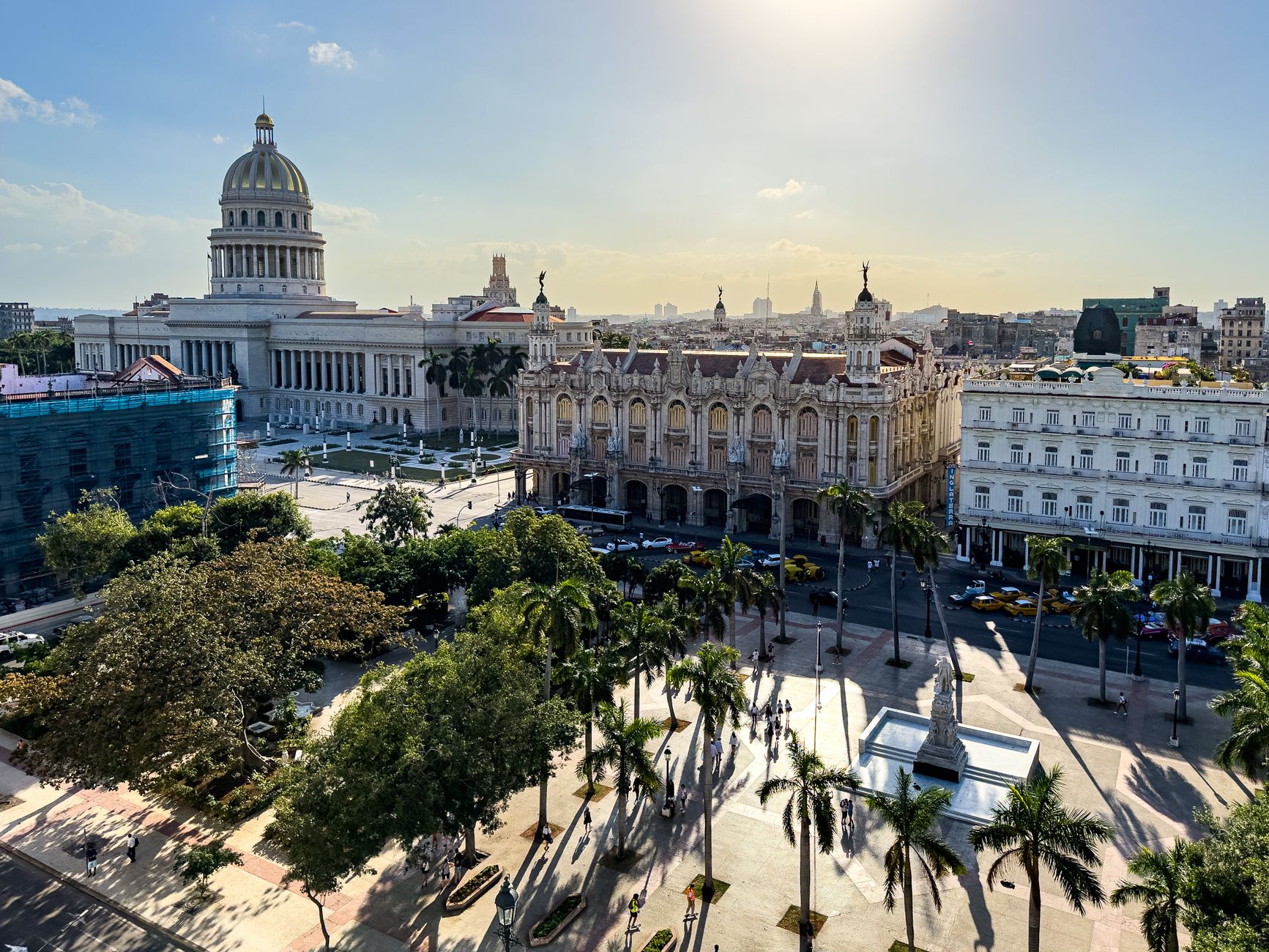
Cuba experiences tropical weather throughout the year. January and February offer the coolest temperatures, ranging from 20 to 26°C. These months feel pleasant for walking around cities and beaches. Humidity stays lower than other seasons.
March through May bring warmer days. Temperatures climb to 28 to 30°C. Afternoon showers become more common in May. Pack light clothing and rain protection. The ocean stays warm for swimming and water sports.
June through August represents the hottest period. Temperatures often reach 32°C or higher. Humidity increases significantly during these months. Afternoon thunderstorms provide relief from the heat. Hurricane season begins in June, though direct hits remain rare.
September and October continue the hot, humid pattern. These months bring the highest rainfall risk. Hurricane threats peak in September. Plan indoor activities and cultural visits during this time. Water activities remain possible on calm days.
November marks the transition to dry season. Temperatures begin cooling toward 27°C. Rain decreases substantially. December brings comfortable weather and marks the start of peak tourism season. Hotels and food-restaurants fill with visitors from North America and Europe.
PRO TIP: Pack layers even during warm months. Air conditioning in hotels and restaurants can feel intense after hot outdoor temperatures. Bring a light sweater or sarong for comfort indoors.
Peak Season in Cuba
Peak season runs from November through April. Millions of tourists visit Cuba during these months. Hotels reach full capacity, especially in December and January. Flights cost more and book quickly during this period. However, you'll find all tourist services operating at full capacity.
November starts the season with fewer crowds. Prices remain reasonable before Christmas holidays. Weather feels ideal with temperatures around 25 to 27°C. Rain seldom occurs. This month offers excellent value compared to December.
December brings holiday travelers. The streets of Havana buzz with energy. Family reunions and celebrations happen throughout the island. Book accommodations six months in advance for this month. New Year's Eve celebrations fill the island with festivities.
January through March deliver peak conditions. Daytime temperatures hover around 25°C. Nighttime temperatures drop to a comfortable 20°C. You can explore for hours without excessive heat. Beach water remains inviting at 26°C.
April marks the season's end. Tourists begin departing after Easter holidays. Prices start declining. Weather remains excellent with minimal rainfall. May brings the transition toward hotter, wetter conditions.
PRO TIP: Book accommodations and car rentals three to six months ahead for peak season travel. Popular destinations like Viñales Valley and Varadero Beach fill quickly. Early reservations guarantee better choices and rates.
Shoulder Season: Best Value

Shoulder season includes April through May and October through November. You'll find fewer tourists and lower prices. Hotels offer discounts of 20 to 40 percent compared to peak months. Weather remains mostly pleasant, though you'll encounter more rainfall.
April and May offer warm weather without extreme heat. Temperatures range from 28 to 30°C. Afternoon showers occur frequently but rarely last long. Morning hours provide perfect conditions for beach visits and sightseeing. By afternoon, you can rest indoors or explore museums.
October through November brings the transition to dry season. Temperatures drop from summer peaks toward comfortable levels. October still feels hot and humid, but prices fall significantly. November offers the best combination of improving weather and lower costs. Hurricane risk decreases by November, though careful monitoring remains wise.
Shoulder season suits travelers seeking authenticity. Fewer tourists mean more genuine interactions with local people. Restaurants and shops feel less crowded. You'll experience Cuba as residents do, not as tourists often do. Spanish language skills become more valuable during this period.
Rainy Season in Cuba
The rainy season spans June through November. Afternoon thunderstorms occur almost daily during summer months. Rain falls intensely but briefly, usually clearing within an hour. Morning weather typically stays dry and sunny. Puddles dry quickly in the intense heat.
Hurricane season officially runs from June through November. Peak hurricane danger occurs in September and October. However, Cuba rarely experiences direct hurricane hits. The island's location in the Caribbean means storms often pass nearby. Most travelers continue visiting safely during this period with normal precautions.
September presents the highest risk and lowest tourism. Many hotels reduce staff and services. Some businesses close temporarily. Travel insurance becomes especially important during this month. If you visit in September, choose well-established hotels with backup power systems.
Traveling during rainy season offers significant advantages. Hotel rates drop dramatically, sometimes 50 to 60 percent below peak prices. You'll have beaches and attractions mostly to yourself. Lush vegetation reaches its fullest, creating beautiful photography opportunities. Local festivals and cultural events continue year-round.
Pack waterproof gear including rain jackets and dry bags. Bring quick-dry clothing suitable for tropical showers. Waterproof phone cases protect electronics. Consider travel insurance covering weather-related disruptions. Plan indoor activities for afternoons when rain is most likely.
Best Time To Visit Cuba for Families

Families thrive in Cuba during November through April. Comfortable temperatures make exploring with children manageable. Kids enjoy beach time without extreme heat exhaustion. Evening temperatures drop enough for comfortable dining outdoors. Hotel amenities and services operate at full capacity.
December holidays attract many families. Kids enjoy two to three weeks off school. The festive atmosphere throughout Cuba appeals to children. Havana's old city offers fascinating architecture and history. Beach resorts in Varadero provide all-inclusive convenience for families.
January through March offer ideal conditions. School winter breaks align with peak season for many families. Multiple family-friendly beaches dot the coastline. Cayo Coco and Cayo Santa Maria offer calm, shallow waters perfect for children. Resort activities keep kids entertained while parents relax.
April provides a sweet spot before intense summer heat. Spring break timing works well for many schools. Prices start declining before summer. Weather remains comfortable for active families. Tourism numbers drop after Easter, making attractions less crowded.
Avoid June through September for family travel. Heat and humidity exceed comfortable levels for young children. Afternoon storms restrict beach time unpredictably. School schedules don't align for most families. Travel becomes more challenging and less enjoyable for kids.
Pack sunscreen with high SPF rated for tropical sun. Children's sun protection becomes critical at the equator. Bring insect repellent for mosquitoes, especially near water. Pack electrolyte drinks to keep kids hydrated in heat. Lightweight, moisture-wicking clothing helps kids stay comfortable.
Best Time To Visit Cuba for Diving
Cuba offers world-class scuba diving year-round. The island boasts shallow reefs, wall dives, and marine caves. Visibility ranges from 20 to 40 meters depending on location and season. November through April provides the best diving conditions overall.
Winter months (November to April) offer calm seas and excellent visibility. Water temperature stays around 25 to 26°C, comfortable with minimal wetsuits. Wind patterns create glassy ocean conditions ideal for diving. Fewer hurricanes mean stable weather for daily dives. Popular dive sites like Maria la Gorda and Playa Santa Lucia operate at full capacity.
May through October brings warmer water temperatures around 28 to 29°C. Visibility remains good, though afternoon storms can churn up sediment. Strong wind patterns require more flexible dive scheduling. Morning dives usually succeed before afternoon weather develops. Fewer tourists mean less crowded dive boats and sites.
September and October present challenges despite lower tourism. Hurricane swells create strong currents and reduced visibility. Sudden weather changes limit dive schedules. Choose experienced operators with excellent safety records. Some dive shops close temporarily during peak hurricane risk.
Cuba's northern coast offers superior diving. Sites around Varadero and Cayo Coco provide stunning coral formations. The Bahia de Cochinos features famous cave dives. Isolated reefs around Cayo Largo remain pristine. Southwestern sites like Maria la Gorda deliver dramatic wall dives.
Book dives with established operators certified by international standards. Most resorts offer dive services with experienced instructors. Bring your certification card and log book. Underwater photography equipment captures incredible marine life. Consider nitrox certification for deeper dives.
PRO TIP: November through March delivers the most reliable diving with calmest seas and best visibility. Book multi-day dive packages with coastal resorts to minimize travel between sites. Morning dives almost always succeed during winter months, maximizing your underwater time.
Frequently Asked Questions

When Is Hurricane Season in Cuba, and How Does It Affect Travel?
Hurricane season officially runs from June through November, with peak danger in September and October. Cuba rarely experiences direct hurricane hits due to its location. Most storms pass nearby without significant impact. Travel remains safe during hurricane season with standard precautions. Monitor weather forecasts and obtain travel insurance covering weather disruptions. Many travelers visit successfully during these months while enjoying lower prices and fewer crowds. September presents the highest risk month with the lowest tourism and some closed services.
Is November or December Better for Visiting Cuba?
November offers better value than December with lower prices and fewer crowds. Weather improves dramatically in November as dry season begins. Temperatures become comfortable around 25 to 27°C. Rainfall decreases significantly. December brings holiday tourism, fully booked hotels, and higher prices across all services. Choose November for budget-conscious travel and a more relaxed pace. Select December for festive holiday atmosphere and guaranteed service availability. Both months deliver excellent weather for beach and cultural activities.
Can I Visit Cuba During Summer Months Safely?
Summer travel (June through August) is safe despite heat and hurricane season. Daily afternoon thunderstorms are brief and intense, clearing within an hour. Morning hours provide perfect weather for activities. Significant hotel discounts make summer budget-friendly. Fewer tourists create more authentic interactions with locals. Pack rain gear and quick-dry clothing for afternoon showers. Choose well-established hotels with backup systems. Travel insurance becomes more important during hurricane season. Many experienced travelers prefer summer for affordability and authenticity.
What should I pack for different seasons in Cuba?
Peak season (November to April) requires lightweight clothing, sunscreen, and sunglasses. Bring a light sweater for strong air conditioning indoors. Pack comfortable walking shoes for exploring cities. Rainy season (June to November) demands waterproof jackets, quick-dry clothing, and waterproof bags. Year-round essentials include swimwear, reef-safe sunscreen, and insect repellent. Formal clothing works for upscale restaurants in Havana. Casual beachwear suits most tourist areas. Comfortable walking shoes handle cobblestone streets better than sandals.
What Is the Cheapest Time To Visit Cuba?
September through October offers the lowest prices due to hurricane season and extreme heat. Hotel rates drop 50 to 60 percent below peak rates. Airfare decreases significantly during these months. May through June provides moderate discounts as shoulder season ends. October through November brings improving prices as rainy season transitions to dry season. November offers the sweet spot combining lower prices with excellent weather. Budget travelers benefit most from September pricing but should obtain comprehensive travel insurance and monitor weather closely.