Last updated:
Best Areas To Stay in Cuba Where To Stay
Cuba offers diverse neighborhoods and areas for every type of traveler. Your choice depends on your budget, interests, and travel style. The island spans 109,884 square kilometers with 11,194,000 residents spread across multiple regions.
Havana remains Cuba's most popular destination. This historic capital city combines colonial architecture with vibrant culture. You'll find accommodations ranging from budget guesthouses to five-star resorts. The Vedado neighborhood attracts visitors seeking a mix of nightlife and culture. Old Havana features restored colonial buildings and authentic Cuban experiences.
Varadero dominates the beach resort scene. Located 140 kilometers east of Havana, this peninsula stretches for 20 kilometers. All-inclusive resorts line the sandy shores. Families and couples love Varadero for its reliability and amenities. The beach season runs year-round, though November through April brings ideal weather.
Cayo Coco and Cayo Santa Maria attract luxury travelers. These remote island keys feature pristine beaches and exclusive resorts. The water here is remarkably clear and blue. You'll find fewer crowds than at Varadero. These areas work best for all-inclusive vacations.
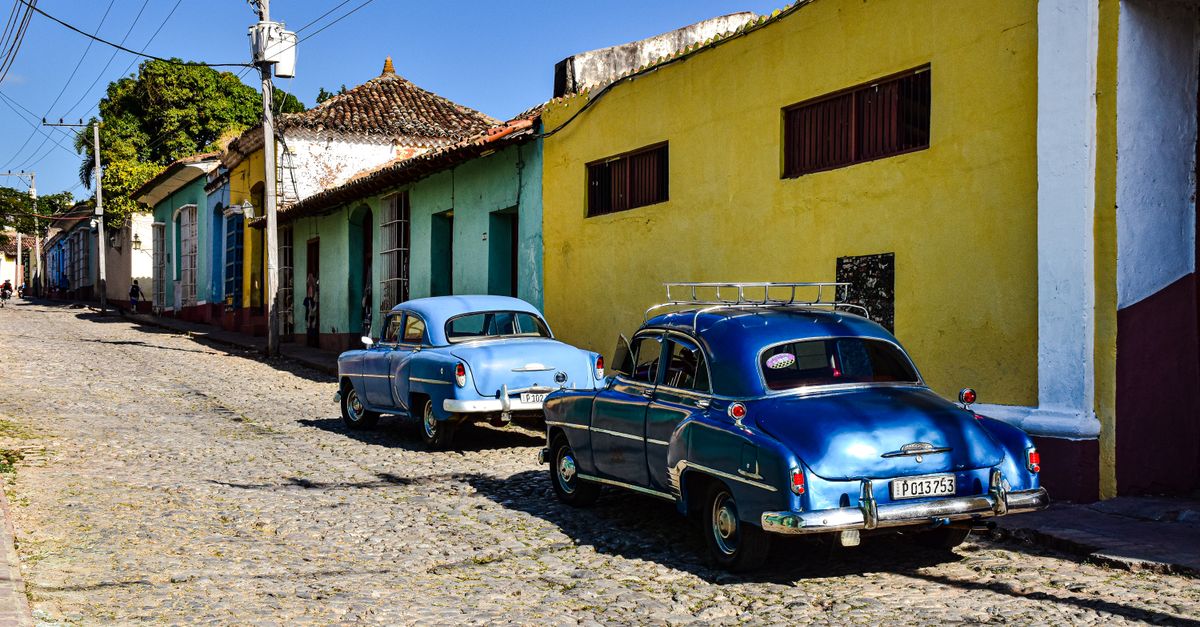
Trinidad offers colonial charm and mountain scenery. This UNESCO World Heritage site features cobblestone streets and colorful buildings. Budget travelers appreciate Trinidad's affordable guesthouses and local food-restaurants. The nearby Escambray Mountains provide hiking opportunities.
Best Beach Areas in Cuba Where To Stay

Cuba's beaches rank among the Caribbean's finest. The island features white sand, warm water, and excellent conditions for swimming. November through April provides the best weather and calm waters.
Varadero Beach stretches for kilometers along the northern coast. The sand is soft and white. Shallow waters make it perfect for children. Over 50 resorts line this beach. You can walk the entire beach and explore numerous restaurants and shops. The water temperature stays warm year-round.
Cayo Coco's beaches feature powdery white sand and turquoise water. This area remains less crowded than Varadero. The beach drops off gradually, making it safe for families. Resorts here offer more privacy and exclusivity. Snorkeling directly from the beach reveals coral and tropical fish.
Cayo Santa Maria provides similar beauty with upscale resorts. The beach curves in a natural arc. Palm trees offer shade for sunbathing. Water sports include kayaking and paddleboarding. The calm conditions make it ideal for weak swimmers.
Playa Ancon near Trinidad offers a quieter alternative. This beach attracts fewer tourists than northern areas. Local restaurants serve fresh seafood at reasonable prices. The nearby town provides authentic cultural experiences. You can rent beach umbrellas and chairs affordably.
Guardalavaca on the northern coast combines beach access with nearby attractions. Columbus Park sits just inland. The beach features calm, clear water. All-inclusive resorts dominate the area. Diving and snorkeling opportunities abound nearby.
PRO TIP: Visit Cuba's beaches in December or January for the best weather. Hurricane season runs June through November, though direct hits are rare. Pack reef-safe sunscreen to protect the island's coral ecosystems.
Town Center Vs Beach: Which Is Better in Cuba
Town centers and beach areas offer completely different experiences. Your choice shapes your entire vacation. Consider what matters most to you.
Town Center Living
Havana's town centers provide immersion in Cuban culture. You walk narrow streets lined with colonial buildings. Street musicians perform on corners. Local restaurants serve authentic food at fair prices. You'll see how real Cubans live and work daily.
Old Havana offers history at every corner. The city earned UNESCO World Heritage status for good reason. You can visit the Cathedral, explore galleries, and shop at local artisan markets. The Malecon seafront promenade stretches for kilometers. Street-level exploration reveals hidden gems tourists miss.
Trinidad's town center immerses you in the past. The entire city is a living museum. You can dance at local bars for just a few pesos. Sugar plantation ruins sit on nearby hillsides. The mountain views reward early morning walks.
Town centers require more planning for daily activities. You must arrange meals carefully. Internet access may be limited in some areas. Guesthouses (called casas particulares) provide affordable local stays. Many travelers prefer experiencing real Cuba over resort isolation.
Beach Area Living
Beach resorts offer convenience and relaxation. Most all-inclusives provide meals, drinks, and entertainment. You need not leave the property for dining or activities. Families appreciate the structured environment and safety.
All-inclusive resorts in Varadero and Cayo Coco simplify vacation planning. Activities include beach volleyball, swimming, snorkeling, and live shows. Kids' clubs keep children entertained for hours. Adults enjoy spa services and beachfront bars.
Beach areas limit cultural exposure. You see less authentic Cuba. Restaurant options outside resorts are limited. Transportation to other areas requires planning and expense. Some travelers find resort life isolating from real island experiences.
Beach vacations suit tired families and couples seeking relaxation. You can do nothing if you wish. Beach time costs you nothing once you pay for your room. The predictable routine appeals to many travelers.
PRO TIP: Many travelers split their time between both. Spend three days in Havana experiencing culture, then relax at a beach resort for four days. This combination gives you authentic experiences plus rest and relaxation.
Where To Stay in Cuba on a Budget

Cuba remains affordable compared to most Caribbean destinations. Smart choices help you stretch your money further. The Cuban peso (CUP) is the local currency. Many tourists use convertible pesos (CUC) though this is changing.
Budget Accommodation Options
Casas particulares (private homes) offer the best budget option. These family-run guesthouses cost $25 to $50 per night. Hosts provide breakfast and local advice. You get a real Cuban home experience. Reserve these online before traveling or ask locals for recommendations.
Budget hotels in smaller towns cost $40 to $60 nightly. Trinidad, Cienfuegos, and Santa Clara offer affordable options. These towns attract fewer tourists than Havana. Local restaurants serve meals for $5 to $10. You'll find authentic food and genuine interactions with residents.
Hostels exist in major cities. Havana has several backpacker hostels with dorm beds. Private rooms cost $30 to $50. These hostels organize group activities and tours. You'll meet other travelers and share experiences.
Budget Travel Strategies
Travel during May through October for lower prices. Hurricane season keeps crowds away. Hotels reduce rates significantly. May and September offer the best deals. The weather stays warm and humid. Occasional rain showers occur but rarely ruin vacations.
Eat where locals eat. Street food costs pennies. Paladares (family restaurants) serve full meals for $10 to $15. Avoid tourist restaurants which charge triple. Markets sell fresh fruit for almost nothing. Sample local specialties like ropa vieja and mofongo at authentic places.
Use public transportation. Buses cost less than one dollar. Shared taxis called "almendrones" (classic American cars) cost a few pesos. Skip tourist taxis which overcharge. Ask your casa particular host for transportation advice.
Explore towns by walking. Most Cuban towns are compact. Walking reveals neighborhoods tourists miss. You'll find authentic bars, music venues, and street performances. Local beaches near towns cost nothing to access.
Luxury Areas in Cuba
Cuba's luxury accommodations deliver five-star experiences. High-end resorts and exclusive hotels cater to affluent travelers. The island's remote beauty makes it perfect for luxury vacations.
Luxury Resort Destinations
Cayo Coco hosts several world-class resorts. Memories Flamenco Beach and similar properties offer all-inclusive luxury. Room options include beachfront villas and suites. Fine dining restaurants serve Cuban and international cuisine. Spa services, water sports, and nightly entertainment come standard. Prices range from expensive to very expensive per night.
Cayo Santa Maria features exclusive resorts catering to upscale travelers. Memories Azul and similar properties provide premium service. The beaches here are pristine and less crowded than Varadero. Private beach sections, concierge service, and gourmet dining define these resorts. Honeymoon packages offer romantic touches like champagne and rose petals.
Varadero's premium resorts include Memories Varadero Beach Resort and Barcelo Solymar. These all-inclusive properties feature top-tier amenities. Multiple restaurants, bars, and activity options keep guests entertained. Beach access is prime with calm, clear water. Nightly entertainment includes live music, shows, and themed parties.
Havana Luxury Hotels
Havana offers boutique luxury hotels in restored colonial buildings. Hotel Santa Isabel overlooks the harbor in Old Havana. The Ambos Mundos historic hotel features literary history and rooftop views. Saratoga hotel provides modern luxury in a central location. These properties feature excellent restaurants and personalized service.
Five-star hotels in Vedado neighborhood offer contemporary luxury. Modern amenities combine with historic charm. Central locations allow easy access to restaurants, galleries, and nightlife. Guests enjoy rooftop pools, spa facilities, and fine dining.
Luxury travelers appreciate Cuba's exclusivity and authenticity. You won't find chain hotels or commercialism everywhere. The island maintains its character despite high-end development. Luxury here means exceptional service and unique experiences rather than massive resorts.
PRO TIP: Book luxury resorts during shoulder season (late April or early May) for better rates than peak season (December through March). You'll still enjoy excellent weather and fewer crowds. All-inclusive packages often include flights and transfers, simplifying planning.
Where To Stay in Cuba With Kids

Cuba offers family-friendly accommodations and activities. The island welcomes children enthusiastically. Safety is generally good in tourist areas. Cubans enjoy children and create welcoming environments for families.
Best Family Accommodations
All-inclusive resorts in Varadero suit families perfectly. Kids' clubs keep children entertained for hours. Supervised activities include crafts, games, sports, and dancing. Teens enjoy beach volleyball and evening shows. Parents relax knowing staff supervises children in safe environments.
Cayo Coco resorts offer similar family-friendly setups. Quieter beaches and calm water make them safer for young swimmers. Resort pools include shallow areas for toddlers. Multiple dining options accommodate picky eaters. Entertainment programs feature activities for all ages.
Casas particulares work well for families wanting independence. Hosts often have children and understand family needs. Home-cooked meals appeal to kids. You control your schedule without resort timing. Extra rooms accommodate larger families comfortably.
Family Activities and Attractions
Beach time dominates family vacations in Cuba. Kids love building sandcastles and swimming. Many beaches have gentle slopes perfect for young children. Snorkeling in shallow areas shows tropical fish without deep diving. Beach toys and umbrellas rent affordably at popular spots.
Havana offers cultural activities for families. The Museum of the Revolution interests older children. Fortress tours at La Cabana provide history and views. The Malecon promenade offers safe walking and street performers. Ice cream shops line the streets with affordable treats.
Trinidad delights children with its colonial charm. Horse-drawn carriages tour the town (kids love riding). Nearby waterfalls and swimming holes provide adventure. Sugar plantation ruins teach history interactively. Local markets expose children to different cultures.
Beach resorts offer water sports suitable for families. Snorkeling tours depart daily from most beach areas. Glass-bottom boats show coral and fish without getting wet. Horseback riding on beaches creates lasting memories. Swimming with dolphins appears at some resorts (book in advance).
Family Travel Tips
Pack medications and toiletries before traveling. Pharmacies may not stock your preferred brands. Bring sunscreen rated 50+ SPF. Reef-safe sunscreen protects coral ecosystems. Insect repellent helps avoid mosquito bites, especially at dusk.
Book accommodations with children in advance. Resorts need notice for high chairs, cribs, and kid-friendly rooms. Ask about babysitting services if you want adult time. Most resorts provide these services for reasonable fees.
Travel during the best months (November through April) for comfort. Hot, humid summers and hurricane season make travel harder with kids. Cooler, dry weather keeps children happier and more cooperative.
Exchange money before arrival or use resort exchanges. Outside resorts, cash machines may be limited. Resorts offer reasonable exchange rates. Credit cards don't work everywhere in Cuba. Having pesos simplifies daily purchases and tips.
Frequently Asked Questions
What Is the Best Time To Visit Cuba and Where Should I Stay?
November through April offers the best weather for Cuba vacations. Temperatures average 26°C (79°F) with little rain. These months bring the most tourists, so book accommodations early. If you prefer lower prices and fewer crowds, consider May or September. The weather remains warm, though occasional showers occur. Hurricane season peaks June through November, but direct hits remain rare. Your specific area choice depends on whether you want beaches or cultural experiences.
Is Cuba Safe for Tourists? Are There Specific Areas To Avoid?
Cuba is generally safe for tourists in designated travel areas. The government maintains security in tourist zones. Avoid displaying expensive jewelry, cameras, or large amounts of cash. Don't wander far from established tourist areas at night. Varadero, Cayo Coco, and central Havana are well-patrolled. Smaller towns like Trinidad are extremely safe with minimal crime. Use official taxis or arrange transportation through your hotel. Travel insurance is recommended, though Cuba has good healthcare standards for tourists.
Do I Need a Visa To Visit Cuba, and How Do I Get One?
Yes, most nationalities require a tourist card or visa. Many countries' citizens obtain tourist cards through airlines during check-in. Processing takes minutes and costs around $25 to $30. Apply in advance online for specific nationalities through Cuban embassies. Travel category rules apply, meaning you must declare your purpose. Tourist purposes are straightforward and accepted easily. Check with Cuban embassy websites or your airline for specific requirements based on your nationality. Obtaining documents before traveling reduces airport delays.
What Currency Should I Bring To Cuba, and How Do I Exchange Money?
The Cuban peso (CUP) is the official currency. Most tourists also encounter convertible pesos though these are being phased out. Exchange rates favor converting money at banks or official exchanges. Airport exchanges offer reasonable rates, though lines can be long. ATMs exist in major towns and resorts. Credit cards sometimes work at large hotels and resorts. Bring cash as your primary backup. Small bills help for tips and purchases. Avoid exchanging money on the street with unofficial dealers. Resort exchanges offer convenience if slightly higher rates.
What Should I Pack for a Cuba Vacation?
Pack light clothing suitable for warm, humid weather. Bring two or three pairs of shorts, lightweight pants, and shirts. Include one nice outfit for evening dining. Swimwear needs include at least two suits for drying. Reef-safe sunscreen (50+ SPF) protects skin and coral. Lightweight rain jacket handles occasional showers. Comfortable walking shoes work better than flip-flops for exploring towns. Bring prescription medications with copies of prescriptions. Toiletries may be expensive or unavailable in rural areas. Don't overpack since airlines allow reasonable luggage. Comfortable clothes encourage walking and exploring authentically.