Last updated:
Cuba presents unique challenges and opportunities for visitors exploring Cuba parking transport options. The island covers 109,884 square kilometers and hosts over 11 million people. Transportation varies dramatically between Havana and rural areas. You will find that getting around Cuba requires flexibility and planning. Most tourists combine rental cars with public transit and local taxis. Understanding each option helps you choose the best method for your trip.
This guide covers everything you need to know about moving around Cuba. We explain car rentals, taxi services, public transportation, and budget-friendly options. You will learn driving rules, parking regulations, and safety considerations. We also discuss scooters and bicycles as alternative transport. By the end, you will feel confident navigating Cuba's roads and streets.
Car Rental in Cuba
Renting a car in Cuba offers the freedom to explore at your own pace. You must reserve your vehicle before arriving on the island. Most international companies do not operate in Cuba due to US regulations. Local Cuban rental agencies handle most visitor bookings. You will find rental desks at Jose Marti International Airport in Havana.
Requirements for renting a car in Cuba are straightforward. You need a valid international driver's license or passport. Your home country driver's license works if you carry an international permit. You must be at least 21 years old. Some companies require drivers to be 25 or older. You will pay a higher daily rate if you are under 25. Credit cards from most countries are not accepted. You must pay with cash, typically in Cuban pesos or convertible pesos.
Popular rental agencies include Havanautos, Cubacar, and Via Rent a Car. These companies maintain offices across major cities like Havana, Varadero, and Santiago de Cuba. You can book through their websites before your trip. Reserve at least one week in advance during peak season from November to April. Off-season bookings (May to October) require less advance notice.
Car rental costs vary by vehicle type and rental duration. Compact cars suit single travelers and couples exploring urban areas. Larger vehicles work better for groups or families. Insurance is mandatory and adds significantly to your rental cost. Collision damage waivers protect you against repair expenses. Most visitors purchase full coverage for peace of mind. Fuel costs money, so budget accordingly for longer trips.
Rental agreements require a cash deposit before you receive the vehicle. The agency holds this deposit and refunds it upon safe return. Damage to the car results in deductions from your deposit. Missing fuel or mechanical damage costs extra. Read your agreement carefully and photograph the car before driving away. Document any existing scratches or dents with photos or video.
PRO TIP: Pick up your rental car early in the day to maximize exploration time. Request a vehicle with a full tank to avoid overpaying for fuel at the rental agency. Keep your rental agreement and insurance documents visible while driving.
Taxis in Cuba

Taxis operate throughout Cuba's major cities and towns. You will recognize them by their yellow color and "Taxi" signs on top. They handle most passenger transport in Havana and other urban centers. Official state taxis are safe, regulated, and reliable. Avoid unmarked vehicles and unregistered taxis for your safety.
Taxi fares work on a meter system in most cities. Havana taxis use meters consistently. Outside Havana, drivers and passengers often negotiate prices before the ride. Agree on the fare before entering the taxi. Hotel staff and restaurant workers can provide guidance on typical local rates. Fares are reasonable compared to other Caribbean destinations. Most short trips within a city cost between 2 and 5 convertible pesos.
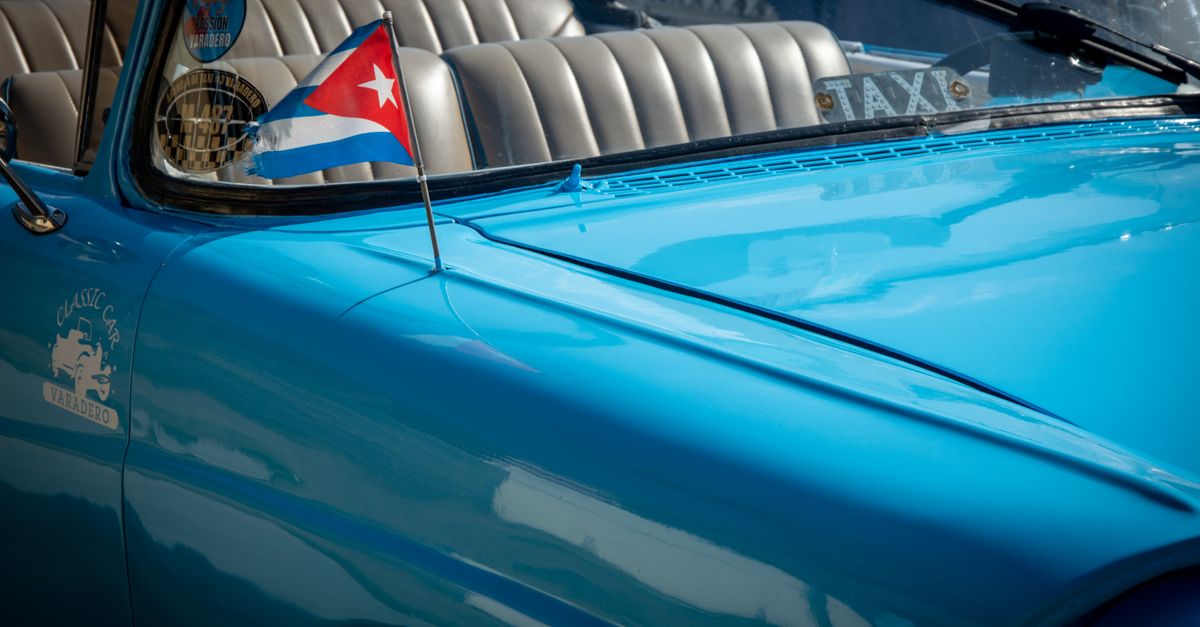
You can hail taxis on the street or request one through your hotel. Hotel concierges arrange taxis for specific destinations and can confirm prices. Tourist taxis, also called "Almendrones," are vintage American cars from the 1950s. These classic vehicles offer unique rides and photo opportunities. They cost more than regular taxis but provide authentic Cuban experiences. Tours in vintage cars are available through hotels and travel agencies.
Private taxi services offer airport transfers and longer journeys. These drivers wait at your hotel or arrange meetups beforehand. Private taxis cost more than regular cabs but guarantee reliability. They are ideal for travelers with heavy luggage or specific schedules. Book private taxis through your hotel or established tour companies.
Safety tips for taking taxis in Cuba are important. Use official, registered taxis with visible identification. Avoid traveling alone late at night in unfamiliar areas. Keep valuables secure and out of sight. Share your taxi details with your hotel or travel companions. Trust your instincts if something feels wrong about a driver or vehicle.
Public Transport Options
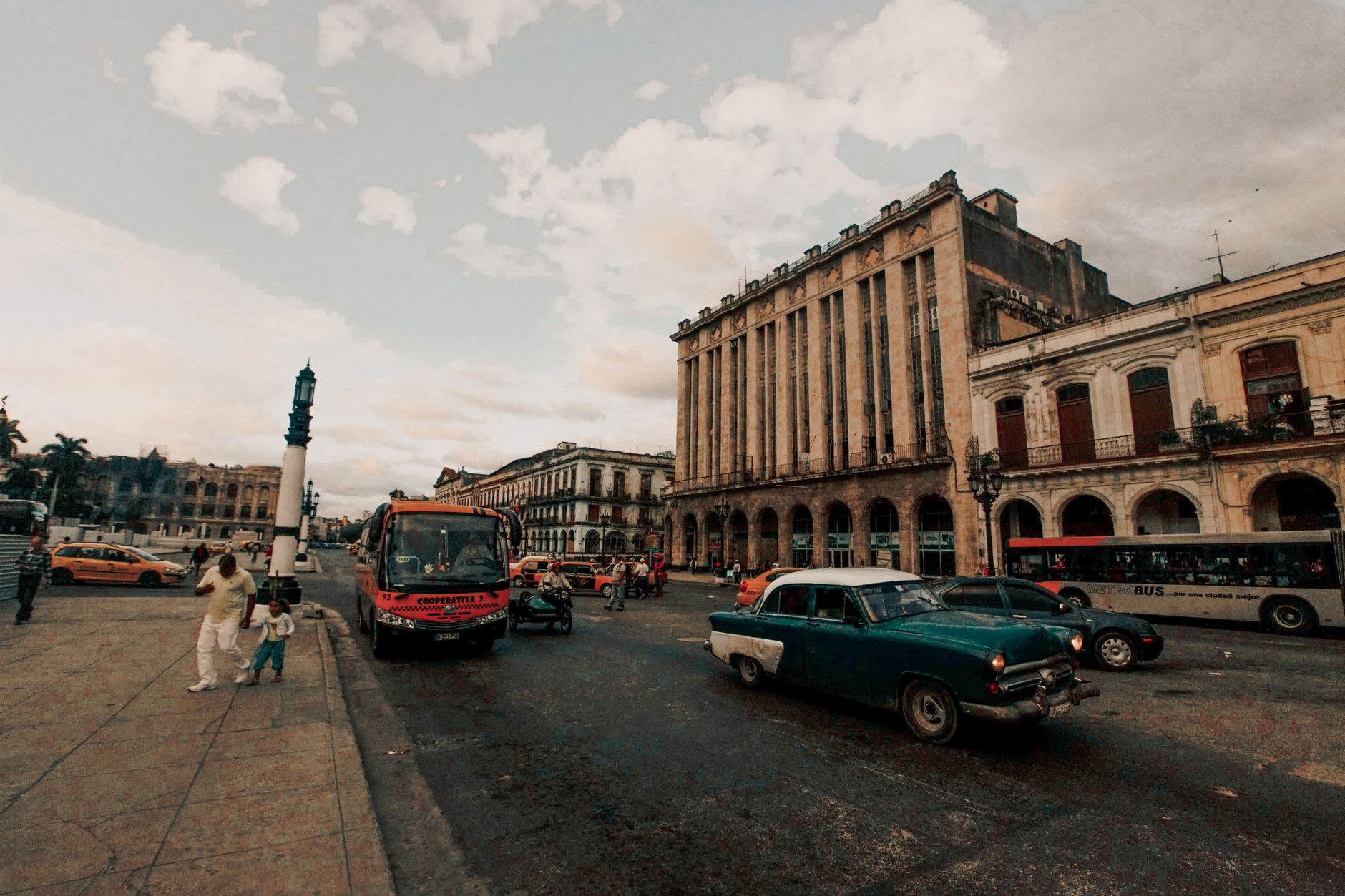
Cuba's public transportation system connects cities and rural areas affordably. Buses form the backbone of inter-city travel. Viazul operates modern air-conditioned buses serving major tourist routes. These comfortable coaches travel between Havana, Varadero, Trinidad, and Santiago de Cuba. Journey times range from 3 to 14 hours depending on your destination. Book Viazul tickets in advance through their website or at bus stations.
Local buses, called "guaguas," operate within cities and small towns. These vehicles are often crowded and lack air conditioning. However, they cost very little and provide genuine local experiences. Fares range from 0.40 to 1 Cuban peso for most trips. Conductor staff collect payment as passengers board. Have small bills ready since conductors rarely carry change.
Havana's public bus system covers the entire city with numerous routes. Buses run frequently but schedules can be unreliable. Vehicles fill quickly during rush hours. Passengers squeeze in tightly, creating crowded conditions. Pickpockets target crowded buses, so keep bags secure and valuables hidden. Walking or using taxis in Havana is safer and more convenient for tourists.
Long-distance regional buses connect Cuban cities outside the Viazul network. These vehicles are less reliable and comfortable than Viazul coaches. Journey times take longer due to frequent stops. Seats may be uncomfortable for trips exceeding 6 hours. However, regional buses offer the cheapest travel between destinations. Reservations are rarely available, so arrivals are first-come, first-served.
Train service exists between some Cuban cities but is minimal for tourists. Trains run infrequently and lack modern amenities. Journey times are slow with many stops along the route. Most visitors choose buses or rental cars instead. Trains operate primarily for local commuters in specific regions.
PRO TIP: Book Viazul tickets several days ahead during peak season (November to April). Arrive at bus stations 30 minutes early to secure your seat. Bring water, snacks, and entertainment for long journeys since stops are infrequent.
Getting Around Cuba on a Budget
Budget travel in Cuba requires creativity and flexibility. Public buses and shared taxis keep costs minimal. Skip rental cars and expensive tourist services to save money. Stay in casas particulares (private home rentals) rather than hotels. These accommodations include kitchen access for preparing affordable meals. Many casas provide local transportation advice and contacts.
Traveling between cities without a rental car saves substantially. Viazul buses cost less than rental vehicles for groups. Regional buses cost even less but offer fewer comforts. Share taxi rides with other travelers to split costs. Local drivers often pick up extra passengers heading in the same direction. Ask your casa host about shared transportation options.
Within cities, walking is free and reveals authentic neighborhoods. Havana's historic Old Town (La Habana Vieja) is best explored on foot. Local buses and shared taxis handle longer city distances. Bicycle rentals exist in some cities like Havana and Trinidad. Scooters provide cheap transportation for experienced riders. However, traffic and road conditions make scooters risky for inexperienced drivers.
Eating where locals eat reduces food costs significantly. Street food stalls serve meals for under 1 convertible peso. Markets offer fresh produce and prepared foods cheaper than restaurants. Paladar restaurants (private dining establishments) charge less than tourist establishments. Seek recommendations from your casa hosts for affordable local eateries. Avoid restaurants in tourist areas which charge premium prices.
Many attractions in Cuba are free or inexpensive. Beaches are always free and lack entrance fees. Walking tours of colonial architecture cost little or nothing. Local guides provide tours cheaper than organized tour companies. Museums and cultural sites charge modest admission fees. Ask at your accommodation about free activities and local events happening during your stay.
Driving in Cuba: What To Know
Driving in Cuba differs significantly from driving in North America and Europe. Road conditions vary dramatically across the island. Main highways are generally in decent condition but have potholes. Secondary roads deteriorate rapidly in rural areas. Some mountain roads are narrow with sharp curves. Drive slowly and stay alert for unexpected hazards. Night driving is particularly dangerous due to poor visibility and unmarked obstacles.
Traffic laws in Cuba follow Hispanic conventions similar to other Caribbean islands. Drive on the right side of the road like in North America. Speed limits are posted in kilometers per hour. Urban areas typically limit speeds to 40 to 60 kph. Highways allow 100 kph or higher depending on conditions. Police enforce speed limits with fines for violations. Always carry your rental agreement and insurance documentation while driving.
Parking in major cities presents challenges due to limited spaces. Havana has almost no public parking facilities. Hotels and restaurants provide parking for guests and customers. Street parking exists but cars are left unattended in unfamiliar areas risk theft. Use guarded parking lots when available, though they cost extra. Many visitors park cars at their hotel and use taxis for city exploration. In smaller towns, parking is plentiful and free on streets or lots.
Fuel availability can be problematic in remote areas. Gas stations concentrate in cities and along main highways. Rural areas may have limited fuel options. Fill your tank in larger towns before heading into remote regions. Keep your fuel gauge above half-full when traveling far from services. Fuel costs money, so budget accordingly for long road trips. Most gas stations accept convertible pesos but confirm before fueling up.
Hazards on Cuban roads require constant awareness and caution. Pedestrians, cyclists, and animals cross roads unexpectedly. Potholed roads can damage tires or suspension systems. Other drivers may not follow traffic rules consistently. Horse-drawn carts share roads with vehicles in rural areas. Driving at night invites significant risks from all these hazards. Stay sober, alert, and defensive while operating any vehicle in Cuba.
Car accidents or mechanical problems require contacting your rental agency immediately. They provide roadside assistance and emergency support. Keep the agency's phone number in your phone and written down. Police involvement in accidents is common and required. Get contact information from other drivers and witnesses. Your rental agreement includes procedures for handling emergencies while driving.
PRO TIP: Fill your gas tank completely before heading into rural areas where stations are scarce. Carry basic tools, spare tire, and jumper cables in case of mechanical issues. Download offline maps before your trip since cell service is unreliable outside cities.
Scooter and Bike Rental

Scooter rentals offer affordable transportation in Cuban cities and coastal towns. Havana, Varadero, and Trinidad offer scooter rental services. Rental agencies require valid motorcycle licenses from your home country. You must be at least 18 years old. Helmet use is mandatory by law, though enforcement varies. Insurance is strongly recommended and often mandatory for rentals.
Scooter rental costs are reasonable and cheaper than car rentals. Daily rates vary by scooter size and rental duration. Longer rentals (weekly or monthly) offer discounted rates. You pay deposits that rental agencies refund upon safe vehicle return. Damage charges apply for scratches, dents, or mechanical issues. Fuel costs money, so budget accordingly. Most travelers find scooters ideal for exploring small towns and coastal areas.
Driving a scooter in Cuba carries significant risks. Road conditions are unpredictable with potholes and debris. Traffic is chaotic, especially in Havana. Other drivers rarely yield to scooters or follow traffic rules. Pedestrians and animals cross roads without warning. Accident rates involving tourists on scooters are higher than other transport methods. Inexperienced or cautious riders should avoid scooters in Cuba.
Bicycle rentals provide eco-friendly, healthy transportation for short distances. Some hotels and tour companies rent bicycles by the day or week. Rental costs are minimal, typically 1 to 3 convertible pesos daily. Bicycles work well for exploring towns like Trinidad and Viñales Valley. However, Cuban roads are not bicycle-friendly. Traffic is heavy, and drivers do not respect cyclists' safety. Hills and heat make cycling challenging in many areas.
Bike paths are virtually nonexistent outside designated tourist areas. In rural regions, country roads are quieter and better for cycling. Mountainous terrain makes cycling difficult without specialized equipment. Riding long distances requires excellent physical fitness. Most travelers use bicycles only for casual explorations of small towns. Combine bicycles with other transport methods for longer journeys.
Frequently Asked Questions
Do I Need an International Driver's License To Rent a Car in Cuba?
You need either a valid driver's license from your home country or an international driver's license. Cuba recognizes both options. The international permit provides helpful translations and is recommended when driving abroad. Your home country driver's license alone may be sufficient, but rental agencies sometimes prefer the international version. Check with your rental company beforehand about their specific requirements to avoid delays when arriving.
Can I Use My Credit Card To Pay for Car Rentals and Taxis in Cuba?
Most car rental agencies do not accept international credit cards due to US embargo restrictions. You must pay with cash, preferably convertible pesos or US dollars exchanged locally. Taxis also prefer cash payments. ATMs exist in Cuban cities where you can withdraw cash using international debit cards. However, ATMs are limited and may not always function properly. Bring sufficient cash from your home country or exchange money at banks and airports upon arrival.
Is It Safe To Drive in Cuba at Night?
Night driving in Cuba is dangerous and not recommended. Roads lack proper lighting and markings. Hazards like potholes, debris, and animals are invisible after dark. Other drivers may operate vehicles without headlights. Police checkpoints operate at night requiring documentation. Accident rates increase significantly after sunset. If you must travel at night, use official taxis with experienced drivers instead of renting vehicles. Plan your travel schedule to drive only during daylight hours whenever possible.
What Is the Best Way To Travel Between Havana and Other Major Cities?
Viazul buses are the safest and most reliable option for inter-city travel. These modern air-conditioned coaches connect Havana to Varadero, Trinidad, and Santiago de Cuba. Book tickets in advance through their website or ticket offices. Regional buses cost less but are less comfortable and reliable. Rental cars offer flexibility but require paying for fuel and parking. Most travelers choose Viazul for its balance of comfort, reliability, and reasonable pricing for budget and mid-range visitors.
Are There Parking Fees in Cuban Cities, and Where Should I Park My Rental Car?
Official public parking is scarce in Cuban cities, particularly Havana. Street parking is often free but risky due to potential theft or damage. Most visitors park rental cars at their hotel, which may charge fees. Guarded parking lots in cities provide secure parking for daily rates. Small towns and rural areas have abundant free parking on streets or open lots. Always use secured parking when leaving your vehicle unattended. Never leave valuables visible in parked vehicles to prevent theft.