Last updated:
Cuba offers incredible things to do for every type of traveler. This Caribbean island combines history, culture, and natural beauty. You will find colorful colonial cities, pristine beaches, and lively music venues. Cuba things to do range from relaxing on sand to exploring mountain trails. Whether you seek adventure or relaxation, Cuba delivers unforgettable experiences.
The island covers 109,884 square kilometers with a population of 11.2 million people. Spanish is the primary language spoken throughout Cuba. Most travelers arrive at Jose Marti International Airport in Havana. Plan your visit between November and April for the best weather. The average temperature of 26°C makes these months ideal for outdoor exploration.
Best Beaches in Cuba
Varadero Beach sits on the northern coast and stretches for 20 kilometers. This white sand beach offers calm, clear water perfect for swimming. Families love the gentle slope into the ocean. Many resorts line this beach, offering easy access to food-restaurants and shops. The beach attracts visitors year-round but reaches peak crowds in winter months.
Playa Paraiso in Cayo Largo remains one of Cuba's most beautiful beaches. The powdery sand feels soft under your feet. The water displays stunning shades of turquoise and blue. You will find fewer crowds here than at Varadero. A short boat ride gets you to this island paradise from the main island.
Santa Maria Beach in Cayo Santa Maria offers pristine conditions for families. The beach slopes gently into shallow water. Children can wade safely while adults enjoy deeper swimming. All-inclusive resorts provide convenient access to amenities. The beach remains calm year-round with minimal waves.
Playa Giron holds historical significance along the southern coast. This beach played a role in the 1961 Bay of Pigs invasion. Today it serves as a peaceful swimming spot with a small museum nearby. Solo travelers appreciate the quieter atmosphere and historical context. Snorkeling opportunities exist in nearby areas.
Guardalavaca Beach combines natural beauty with accessibility. Located on the northern coast, it features golden sand and warm water. The beach remains less crowded than Varadero. Local restaurants serve fresh seafood near the shoreline. Couples enjoy the romantic sunset views from this beach.
PRO TIP: Visit beaches early in the morning before crowds arrive. Bring reef-safe sunscreen to protect both your skin and coral ecosystems. Pack water shoes because rocky areas exist near some beaches.
Outdoor Activities in Cuba
Hiking in Viñales Valley provides stunning limestone mountain scenery. The lush tobacco fields create a dramatic landscape backdrop. You can hike trails ranging from easy to moderate difficulty. Local guides lead tours through the valley and into caves. The best time to hike is early morning when temperatures remain cool.
Cave Exploration reveals Cuba's underground natural wonders. Cueva del Indio features an underground river you can navigate by boat. Gran Caverna de Santo Tomas extends for kilometers underground with multiple passages. Cuevas de Bellamar near Matanzas offer guided tours through impressive stalactite formations. These caves maintain cool temperatures year-round, making them perfect for hot days.
Birdwatching attracts nature lovers to Cuba's protected areas. The island hosts endemic bird species found nowhere else on Earth. Zapata Swamp serves as a prime birdwatching location with over 150 bird species. The Cuban tocororo displays vibrant green, red, and blue plumage. Visit early morning when birds are most active and vocal.
Horseback Riding takes you through rural Cuban countryside. Viñales Valley offers scenic riding routes past mogotes (limestone hills). Riders pass through working tobacco farms and small villages. Local cowboys called "vaqueros" guide many tours. This activity suits all experience levels from beginners to advanced riders.
Mountain Biking challenges adventurous travelers on forest trails. The Sierra Maestra mountains in eastern Cuba offer excellent biking terrain. You will pedal through tropical forests and past waterfalls. Local outfitters provide bike rentals and guided tours. This activity works best during dry months from November to April.
Water Sports in Cuba
Scuba Diving remains one of Cuba's premier water activities. The island's surrounding waters host pristine coral reefs teeming with marine life. Dive sites include colorful sponges, brain corals, and schools of tropical fish. You will encounter sea turtles, rays, and nurse sharks on many dives. Cuba requires scuba certification for diving, and numerous dive shops offer certification courses.
Cayo Coco offers some of the best diving conditions. The nearby Playa Las Coloradas features vibrant reef systems. Visibility often exceeds 30 meters underwater. Advanced divers can explore deeper sites with larger pelagic species. Shallow reef dives suit beginners and families looking for reef experiences.
Snorkeling provides easier access to Cuba's underwater world without certification. Most beaches have snorkeling opportunities within swimming distance. Many resorts offer snorkeling tours to nearby reefs. You will see colorful fish, sea stars, and coral formations. Bring your own mask and fins or rent from local operators.
Fishing attracts serious anglers to Cuban waters. The island offers excellent opportunities for deep-sea fishing. Tarpon fishing in shallow waters provides exciting fights. Marlin, wahoo, and grouper inhabit deeper offshore areas. Charter boats depart from major coastal towns. Fishing season peaks from June through September.
Kayaking allows peaceful exploration of Cuba's mangrove forests. Kayak tours navigate through protected mangrove channels. You might spot manatees, crocodiles, and numerous bird species. Cienaga de Zapata offers the best kayaking in Cuba. Tours typically last two to four hours with beginner-friendly conditions.
Windsurfing works best at beaches with consistent wind conditions. The northern coast offers more reliable wind patterns. Varadero and other resort areas rent windsurfing equipment. Lessons are available for beginners wanting to learn. Best wind conditions occur from November to March.
PRO TIP: Book scuba diving and water sports activities through established operators with safety certifications. Always ask about group sizes and guide experience. Bring waterproof bags to protect valuables during water activities.
Things To Do in Cuba at Night
Live Music Venues showcase Cuba's vibrant musical culture every evening. Havana's Casa de la Musica hosts live bands playing salsa and son cubano. The venue fills with locals and tourists dancing until late. El Floridita bar offers live music in a historic setting where famous authors once gathered. Tropicana nightclub features spectacular cabaret shows with dancers and elaborate costumes.
Salsa Dancing immerses you in Cuban culture directly. Dance clubs throughout Havana offer salsa lessons before evening performances. You will learn basic steps and partner positions from experienced instructors. The dancing continues into the early morning hours. Many venues offer reasonably priced drinks and appetizers while you dance.
Cabaret Shows provide spectacular entertainment with professional dancers and musicians. The Tropicana Cabaret remains Cuba's most famous venue since 1939. Shows feature elaborate costumes, live orchestras, and skilled performers. Partagas Theater in Havana offers classic cabaret performances. Reserve tickets in advance during peak seasons.
Cigar Lounges offer relaxation in sophisticated settings. Havana's best cigar lounges serve rum and coffee alongside fine cigars. The Partagas Factory in Havana offers tours followed by shopping and lounging. Expert staff can guide you toward cigars matching your taste preferences. A quality Cuban cigar provides an evening experience unique to the island.
Rooftop Bars provide views of city lights and ocean vistas. Havana's rooftop scene has exploded with trendy venues in recent years. Many offer classic mojito cocktails and light appetizers. The Hotel Nacional rooftop bar attracts both tourists and locals. Sunset visits offer the best light for photography and relaxation.
Beach Parties happen spontaneously at resort areas during peak season. Some beaches host organized events with DJs and food vendors. The atmosphere becomes lively after sunset with bonfires and dancing. Solo travelers find beach parties great for meeting other visitors. Dress casually and bring minimal belongings to enjoy the beach safely.
Things To Do in Cuba With Kids
Beach Days keep children happy and exhausted. Most Cuban beaches slope gently, allowing safe wading for young kids. Resorts provide lifeguards and shallow pool areas. Pack snacks and drinks since beach vendors may offer limited options. Sun protection is critical with the strong Caribbean sun. Bring beach toys and floats for younger children's entertainment.
Animal Encounters excite children of all ages. The Zapata Swamp tour includes crocodile spotting and bird watching. The Cuban Reptile Zoo in Havana displays snakes, lizards, and other wildlife. Horseback riding through Viñales Valley appeals to kids comfortable on horses. Manatee spotting tours in mangrove areas provide gentle animal experiences.
Cave Exploration thrills adventurous families. Cueva del Indio features a boat ride through an underground river that kids find magical. The Bellamar Caves offer well-maintained pathways suitable for families with young children. Bring flashlights even though cave operators provide lighting. The cool cave temperatures offer relief from heat outside.
Cultural Activities teach children about Cuban history and traditions. The Museum of the Revolution in Havana tells Cuba's story through exhibits kids can understand. Local music and dance performances engage children through rhythm and movement. Street festivals and parades happen regularly throughout the year. Children enjoy learning Spanish words from friendly locals.
Water Parks provide fun cooling off on hot days. Havana includes water park facilities at several resort properties. Some beaches have inflatable attractions and water games. These facilities cater specifically to families with young children. Hours vary by season, so ask at your accommodation about locations and times.
Cooking Classes suit families wanting hands-on cultural experiences. Some private homes in Havana offer cooking lessons with local cooks. Children help prepare traditional Cuban dishes like ropa vieja and black beans. The family eats together at the end, creating memorable dining experiences. Advance booking is necessary for these intimate classes.
PRO TIP: Pack children's medications and sunscreen from home since availability varies throughout Cuba. Bring extra snacks because rural areas have limited food options. Hire local guides who speak English to enhance educational experiences for kids.
Free Things To Do in Cuba
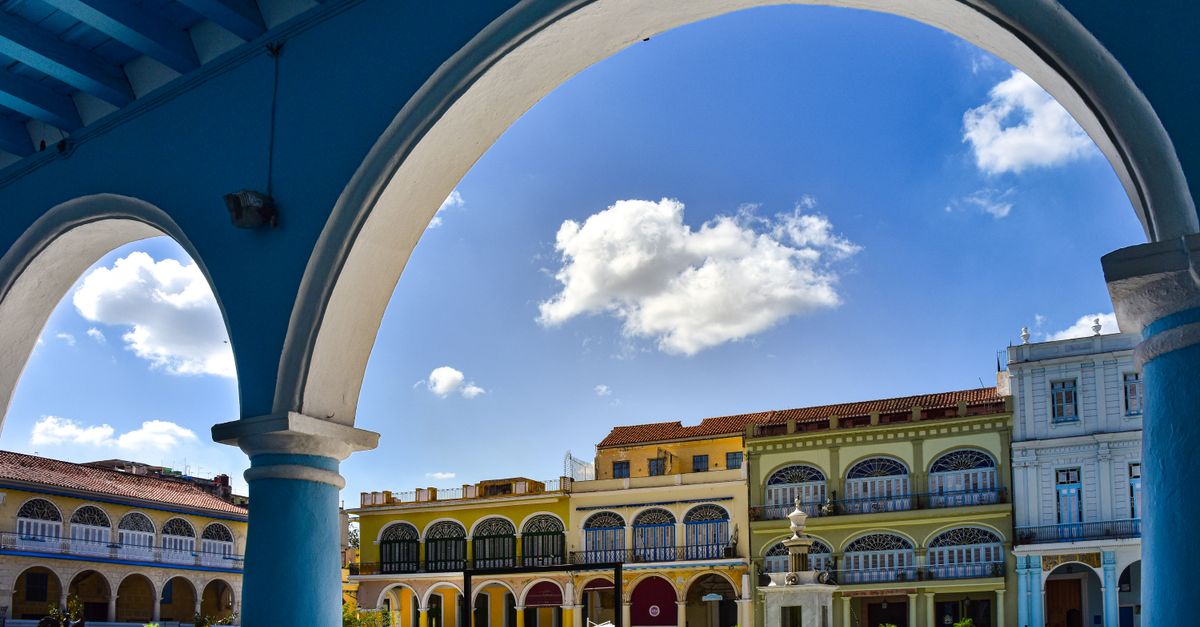
Walking Havana's Streets costs nothing and reveals authentic Cuban life. Old Havana's colonial architecture tells stories through pastel-colored buildings. You will encounter street musicians, artists, and friendly locals. Plaza de Armas and Plaza de la Catedral sit in the historic core. Wandering these neighborhoods provides free entertainment and cultural immersion.
Beach Access remains free throughout Cuba. Public beaches welcome visitors without entry fees. Playa del Este near Havana offers free access with fewer resorts crowding the sand. You can spend entire days swimming and relaxing without paying. Bring your own food and drinks to avoid beach vendor expenses.
Street Performances fill Havana's plazas with live music and dance. Musicians perform in major squares playing traditional Cuban son and salsa. Dancers sometimes invite tourists to join for brief moments. Tips are appreciated but not required. Visit during late afternoon when street performers are most active.
Museum Hours occasionally offer free admission on specific days. Some museums waive entrance fees for local holidays or special events. The Museum of the Revolution sometimes offers reduced rates. Ask at your accommodation about current free museum days. Bring your passport for identification at entrances.
Sunset Watching provides daily free entertainment at coastal locations. Havana's Malecon waterfront fills with locals at sunset. The sky displays brilliant colors during the golden hour. Bring a camera to capture the moment. No crowds or barriers restrict your sunset viewing experience.
Local Markets offer free exploration and cultural experiences. The farmers market in Havana operates most mornings. You will see locals shopping for fruits, vegetables, and local goods. Observe how Cubans live their daily lives through market visits. Making small purchases supports local vendors while costing minimal amounts.
Day Trips From Cuba
Viñales Valley deserves a full day trip from Havana or western resorts. The drive takes two hours westward into Pinar del Rio province. You will see tobacco farms, limestone mountains, and rural villages. Hiking, horseback riding, and cave exploration fill your day. Local restaurants serve traditional Cuban food at reasonable prices. Return to your accommodation by evening or stay overnight.
Zapata Swamp offers a unique ecosystem exploration experience. Located between Havana and Trinidad, it requires three hours of driving. Guided tours navigate mangrove channels by boat. You will spot manatees, crocodiles, and numerous bird species. The Bay of Pigs historical site sits nearby for history enthusiasts. Pack insect repellent and wear long sleeves in warmer months.
Trinidad showcases preserved colonial architecture frozen in time. The drive from Havana takes five to six hours southward. Colorful buildings line cobblestone streets in this UNESCO World Heritage site. The nearby Ancon Beach provides swimming and snorkeling. Overnight stays allow thorough exploration of this magical town. Local casas provide affordable accommodations.
Cayo Coco offers all-inclusive beach resort experiences. Located on Cuba's northern coast, it requires driving three hours from Havana. Pristine white sand beaches stretch for kilometers. Snorkeling and diving opportunities abound near the resort areas. Day trip visitors can sometimes access beach areas near public roads. Most travelers stay overnight at resorts.
Matanzas City combines history, culture, and natural attractions. The city is one hour from Havana by car. The Bellamar Caves provide underground exploration. Local bridges and historic forts tell stories of colonial times. Street musicians and cafes offer authentic local experiences. Return to Havana before nightfall if doing a day trip.
Las Terrazas serves as an eco-tourism destination near Havana. This hillside community blends sustainable tourism with natural beauty. Hiking trails wind through forests with waterfalls and swimming holes. Overnight eco-lodges provide immersive nature experiences. The drive from Havana takes about ninety minutes.
Frequently Asked Questions
What Is the Best Time To Visit Cuba for Things To Do?
The best months are November through April when temperatures remain pleasant and rainfall decreases. Hurricane season runs June through November, bringing afternoon showers and potential tropical storms. Winter months attract more tourists but offer ideal weather for beach activities, hiking, and water sports. Prices peak during December through February. Shoulder months of November and April provide good weather with fewer crowds. Plan outdoor activities during dry season for maximum enjoyment.
How Much Does It Cost To Do Activities in Cuba?
Activity costs vary widely depending on what you choose. Beach days are free if you bring your own supplies. Guided cave tours range from budget-friendly to moderate prices. Scuba diving certification courses cost more than casual snorkeling. Nightclub entertainment and cabaret shows involve higher expenses. Many all-inclusive resorts include activities in their package prices. Budget travelers can enjoy Cuba for less by choosing free activities like beach time and walking tours. Ask your accommodation about local pricing and special discounts.
Do I Need a Visa To Visit Cuba?
Yes, most nationalities require either a tourist card or visa to enter Cuba. Many countries can purchase a tourist card at the airport for a reasonable fee. The card typically remains valid for thirty days. Some nationalities require advance visa applications through Cuban embassies. Citizens of certain countries including the United States face additional restrictions. Check with your country's Cuban embassy before booking your trip. Your travel agent can guide you through the visa requirements based on your nationality.
Is It Safe To Travel and Do Activities Alone in Cuba?
Cuba is generally safe for solo travelers who use normal precautions. Tourist areas and resorts maintain good security. Avoid displaying expensive jewelry, cameras, or large amounts of cash. Use official taxis rather than unmarked ones. Stick to main streets and established tourist areas at night. Join group tours for activities if you prefer company. Many solo travelers report positive experiences exploring Cuba independently. Stay aware of your surroundings and trust your instincts.
What Activities Work Best for Young Children in Cuba?
Beach time is always successful with children who enjoy sand and water play. Gentle horseback riding through Viñales Valley suits most ages. Cave exploration through Cueva del Indio provides adventure without difficulty. Animal encounters like crocodile spotting engage children's curiosity. Resort activities including kids' clubs and water parks keep children entertained. Cooking classes with families create memorable bonding experiences. Avoid lengthy hiking in extreme heat. Plan activities during cooler morning hours and include plenty of water breaks.